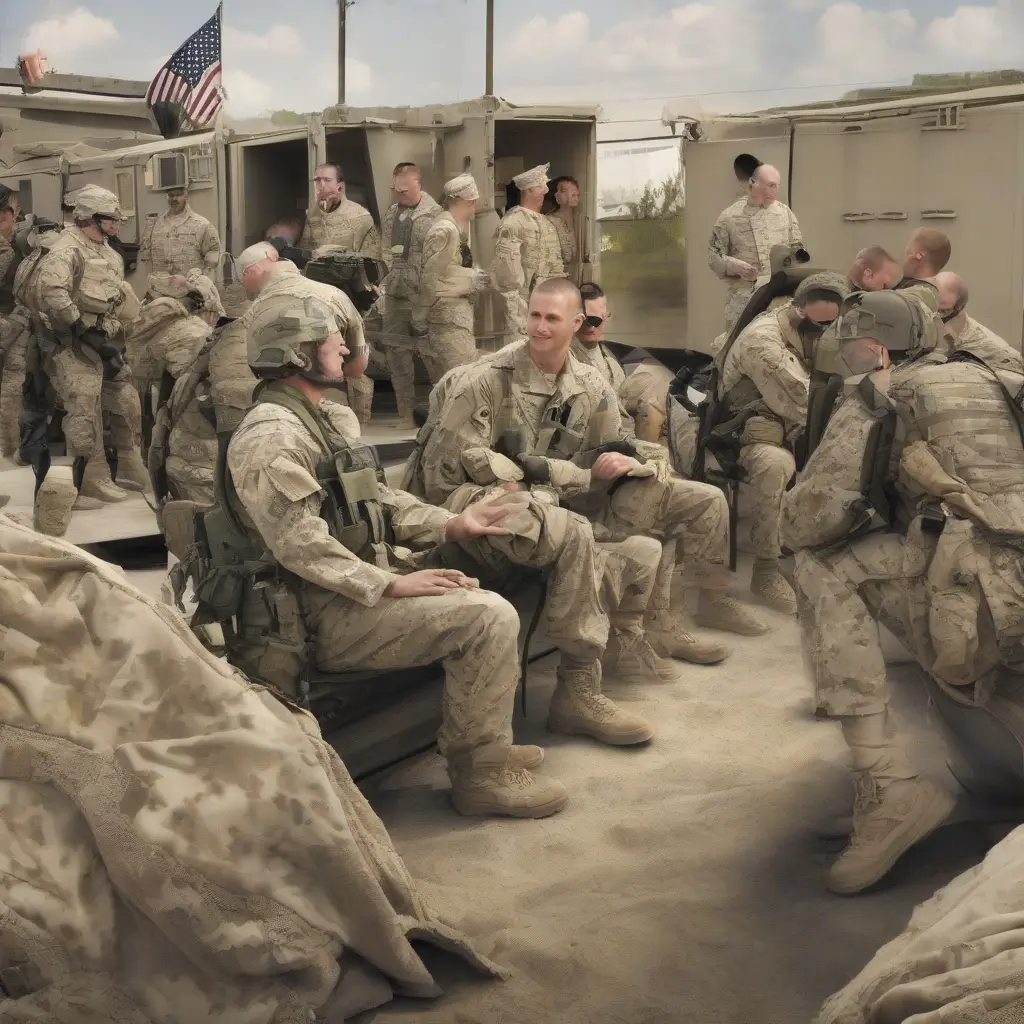
Transitioning from military to civilian employment can be both an exciting and challenging journey. Service members often possess unique skills and experiences that are valuable in the civilian job market, yet they may struggle to navigate the differences between military and corporate cultures. Understanding how to showcase transferable skills, networking strategically, and preparing effectively for interviews are key components of a successful transition. This article offers valuable insights and tips to facilitate a smoother shift into civilian roles, ensuring veterans feel confident and prepared as they embark on this new chapter.
Recognizing Transferable Skills
One of the first steps in transitioning from military to civilian employment is recognizing your transferable skills. Veterans often possess qualities such as leadership, teamwork, and problem-solving abilities, which are highly sought after in the civilian workforce. It’s essential to identify and articulate these skills in a way that resonates with potential employers. Tailoring your resume to highlight these strengths can significantly enhance your job prospects, as many employers appreciate the diverse experiences that veterans bring to their organizations.
Creating a Strong Resume
Crafting a strong resume is crucial for making a positive first impression in the job market. Instead of strictly following a military format, consider using civilian-friendly language and structure to present your experience and expertise. Focus on accomplishments rather than duties, quantifying achievements when possible to showcase your impact. By tailoring your resume for specific jobs and utilizing keywords relevant to the industry, you can better capture the attention of hiring managers and increase your chances of landing an interview.
Leveraging Networking Opportunities
Networking is an invaluable tool when transitioning to civilian employment, as personal connections can lead to potential job opportunities. Engaging with fellow veterans, attending career fairs, and joining professional organizations can help expand your network. Utilize social media platforms like LinkedIn to connect with industry professionals and join groups related to your field. Building relationships within your desired industry not only enhances your job search but also provides insights into company cultures and hiring practices.
Preparing for Job Interviews
Preparation for job interviews is essential to demonstrate your skills and fit for a role. Research the company, its culture, and the specific position you’re applying for, allowing you to tailor your responses accordingly. Practice common interview questions, as well as behavioral questions using the STAR method (Situation, Task, Action, Result), to convey your experiences effectively. Additionally, prepare questions for the interviewer to show your interest and engagement, highlighting your enthusiasm for the role and the organization.
Understanding Corporate Culture
Adapting to corporate culture is often one of the biggest challenges for veterans transitioning to civilian employment. Unlike the structured environment of the military, corporate settings may emphasize different values, communication styles, and decision-making processes. Take the time to learn about the industry and company norms, which will help you navigate workplace dynamics more effectively. Engaging in observations and asking questions can provide deeper insights into corporate culture, aiding in your adjustment during this significant transition.
Seeking Professional Development
Pursuing professional development opportunities enhances your skill set and makes you more competitive in the job market. Consider enrolling in workshops, online courses, or certification programs that align with your career goals. Many organizations offer resources specifically for veterans to develop new skills and stay current with industry trends. Continuous learning not only strengthens your resume but also equips you with the tools needed to excel in civilian roles, demonstrating your commitment to growth and adaptability.
Utilizing Career Transition Assistance
Many military organizations provide career transition assistance programs to help service members prepare for civilian employment. These programs often include resume writing workshops, interview coaching, and job search resources tailored for veterans. Participating in these initiatives can offer valuable insights, improve your application materials, and boost your confidence in the job search process. Additionally, leveraging these resources can help establish a clearer understanding of how your military experience can translate into civilian roles.
Building a Support System
Having a supportive network is crucial during the transition from military to civilian life. Connecting with family, friends, fellow veterans, and mentoring organizations can provide emotional support and practical advice throughout your journey. Sharing experiences and challenges with others who understand the unique aspects of military service can alleviate stress and foster a sense of camaraderie. This support system can also offer valuable contacts and resources as you navigate your career transition.
Exploring Different Career Paths
Exploring different career paths can lead to exciting opportunities you may not have initially considered. While veterans often have specific fields in mind, the skills gained during military service can be applicable across various industries. Take the time to research and explore job openings in sectors that align with your interests and abilities. Engaging in informational interviews with professionals in those fields can provide additional insight into potential career options, helping to clarify your goals and aspirations in the civilian job market.
Conclusion
Transitioning from military to civilian employment is a significant milestone that requires preparation, adaptability, and perseverance. By recognizing your transferable skills, creating an engaging resume, leveraging networking opportunities, and seeking continuous professional development, you can enhance your chances of success. Remember to be patient with yourself during this process, as each individual’s journey is unique. By following these tips, you can approach your transition thoughtfully and confidently, ensuring a successful entry into the civilian workforce.