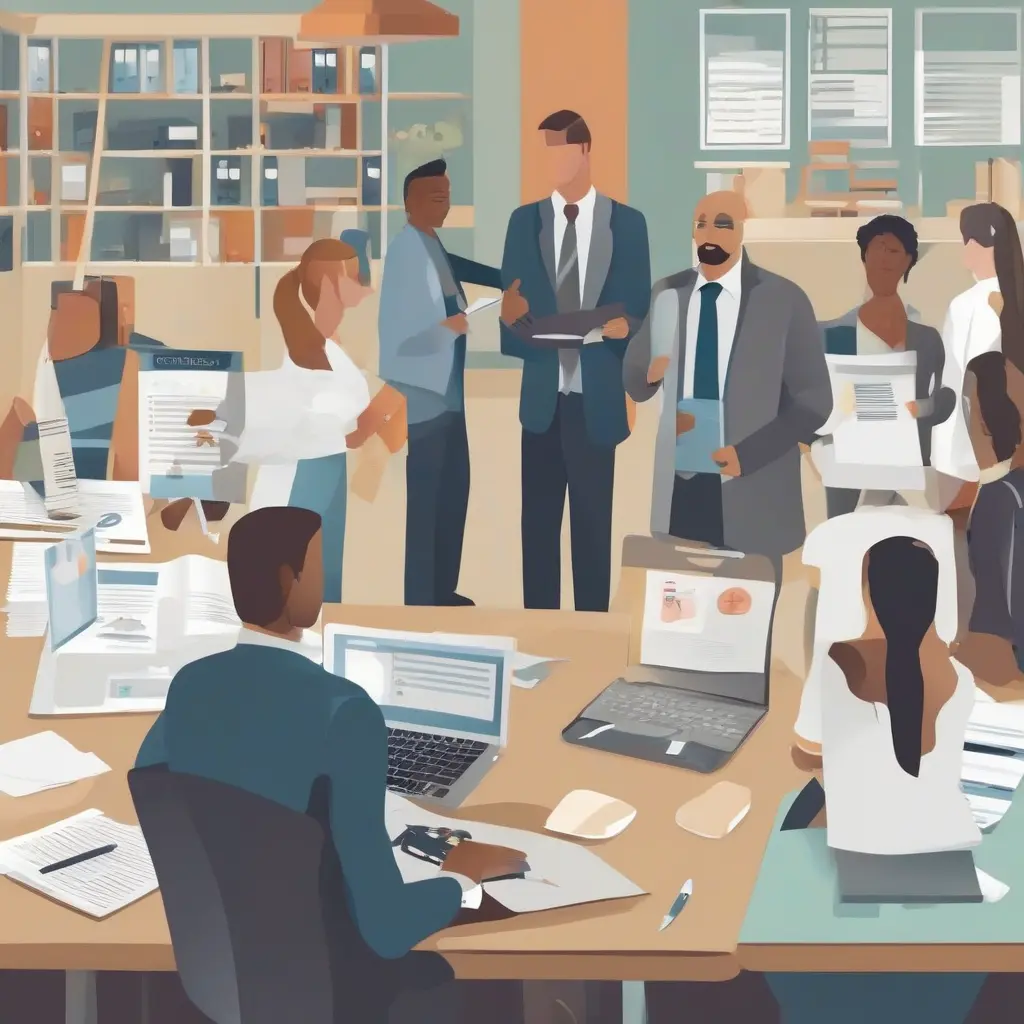
In today’s collaborative work environment, becoming an effective team player is essential for success. This involves not only functioning well within a team but also contributing positively to the group’s overall productivity and morale. By developing crucial skills like communication, flexibility, and problem-solving, individuals can enhance their interactions with team members, leading to more satisfying and effective teamwork. Understanding these skills can make a significant difference in both personal career development and the overall success of a team.
Strong Communication Skills
Effective communication is the cornerstone of successful teamwork. This involves not only conveying your own ideas clearly but also actively listening to your teammates. Team members should feel comfortable expressing their thoughts and opinions without fear of judgment. Effective communicators ask clarifying questions to ensure understanding and provide feedback that helps others improve. By developing strong communication skills, team players can foster an environment of openness, which enhances collaboration and minimizes misunderstandings.
Active Listening
Active listening is a vital skill for team players that goes hand in hand with effective communication. This involves being fully present during conversations, demonstrating engagement through nodding or verbal affirmations, and summarizing points made by others to ensure comprehension. Active listening helps in building trust among team members, as it shows respect for their opinions. By practicing this skill, individuals can create an inclusive atmosphere where everyone feels valued and heard, leading to greater team effectiveness.
Flexibility and Adaptability
In a dynamic work environment, flexibility and adaptability are crucial for effective teamwork. Team members must be willing to adjust their approaches based on changing circumstances or feedback from colleagues. This may involve taking on different roles within the team, modifying tasks, or even refining interpersonal styles to better suit group needs. Individuals who embrace adaptability not only enhance their own contributions but also inspire resilience among their teammates, making it easier for the team to navigate challenges together.
Conflict Resolution Skills
Conflict is a natural part of teamwork, and knowing how to address it constructively is a key skill for effective team players. This involves identifying the underlying issues during disagreements, using a calm and rational approach to facilitate discussions, and finding mutually acceptable solutions. Team members who can mediate conflicts help maintain a positive team atmosphere and prevent escalating tensions. Developing these skills ensures that conflicts are addressed promptly and lead to productive outcomes rather than enduring rifts.
Empathy and Emotional Intelligence
Empathy and emotional intelligence are increasingly recognized as vital soft skills for team players. Understanding and sharing the feelings of others foster stronger connections within a team. Empathetic individuals can recognize when their teammates are struggling and offer support, enhancing collaboration. Emotional intelligence allows team members to interpret and manage their own emotions while being sensitive to the emotions of others. Cultivating these skills helps create a supportive team environment where individuals feel valued and understood.
Trustworthiness and Reliability
Trustworthiness and reliability are fundamental for successful teamwork. Team members must be dependable, ensuring that they follow through on commitments and meet deadlines. Building trust requires consistent behavior, open communication, and transparency. When team players demonstrate reliability, others feel more confident in collaborating and sharing responsibilities. This positive reinforcement creates a stronger foundation for teamwork, enabling the group to function more cohesively and effectively achieve its goals.
Collaborative Problem-Solving
Collaborative problem-solving is an essential skill that encourages team members to work together to find solutions to challenges. This involves brainstorming ideas collectively, evaluating the pros and cons of various approaches, and leveraging each member’s unique expertise. Effective problem solvers are open-minded and actively seek input from all team members, fostering creativity and innovation. By nurturing this skill, teams can address complex issues more efficiently and enhance overall productivity.
Inclusive Leadership Skills
Inclusive leadership skills are essential for team players who aspire to take on leadership roles within their teams. This involves creating an environment where diverse perspectives are welcomed and valued. Inclusive leaders encourage participation and ensure that all team members have an equal opportunity to contribute. By developing these skills, individuals not only enhance their own leadership potential but also promote a culture of inclusivity that leads to higher engagement and improved team dynamics.
Time Management and Prioritization
Effective time management and prioritization are critical skills for team players aiming to balance individual contributions with overall team objectives. Individuals must be able to assess their workloads, set priorities, and manage their time efficiently to meet deadlines. Practicing these skills allows team members to contribute more effectively, preventing feelings of stress and overwhelm. By demonstrating good time management practices, team players also encourage others to adopt similar habits, creating a more organized and productive team environment.
Continuous Learning and Improvement
Finally, a commitment to continuous learning and improvement is crucial for anyone looking to become a more effective team player. This involves seeking feedback from peers, reflecting on personal performance, and actively engaging in training opportunities. By embracing a growth mindset, individuals can stay adaptable and relevant in their roles, contributing more meaningfully to their teams. This ongoing pursuit of knowledge and skill enhancement can inspire others around them, cultivating a culture of development within the team.
Conclusion
Becoming an effective team player requires the development of various essential skills that facilitate collaboration and enhance group performance. By focusing on strong communication, empathy, adaptability, and problem-solving skills, individuals can improve their contributions to any team. Commit to continuous self-improvement and foster a supportive environment to achieve not only personal career success but also to enhance the overall effectiveness of your team.