Group interviews can be a daunting experience for fresh graduates. Unlike traditional one-on-one interviews, group interviews test not only your individual capabilities but also your ability to work collaboratively in a team setting. As companies increasingly adopt this interviewing style to streamline the hiring process, it’s imperative for candidates to master the art of group interviews. This article will provide actionable strategies designed to help fresh graduates navigate these challenges, showcasing their strengths and making a lasting impression on potential employers.
Understanding the Format of Group Interviews
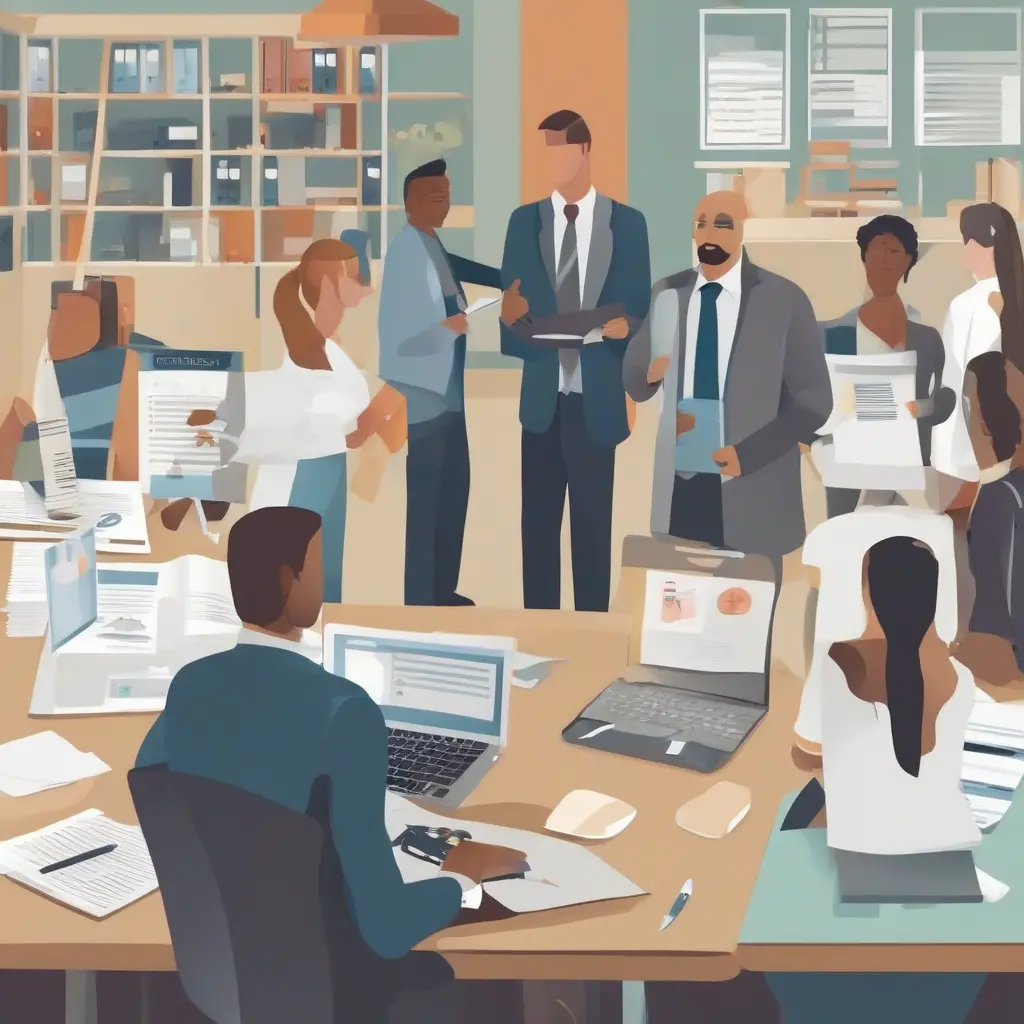
Group interviews come in various formats, each designed to assess specific skills and interpersonal dynamics among candidates. Typically, they involve multiple candidates answering questions or working together on tasks while being observed by one or several interviewers. Common formats include panel interviews, brainstorming sessions, and role-playing exercises. Understanding the structure of the group interview you are facing can help you prepare effectively. Familiarity with these formats allows you to tailor your approach, ensuring you’re ready to highlight your interpersonal skills and adaptability.
Researching the Company and Role
Before entering a group interview, thoroughly researching the company and the specific role is essential. Understand the company’s mission, values, and culture. Familiarize yourself with the job description and key responsibilities. This knowledge not only aids in answering potential questions but also enables you to align your responses with the company’s objectives. When you speak to the skills and experiences that match the role, it demonstrates your genuine interest and helps you stand out among other candidates who may not have done their homework.
Practicing Active Listening Skills
Active listening is a vital skill in group interviews, where multiple voices are at play. It involves truly understanding what others are saying instead of merely waiting for your turn to speak. By nodding, paraphrasing points made by others, and asking relevant follow-up questions, you can demonstrate that you value your peers’ contributions. This not only builds rapport but also positions you as a collaborative team player. Practicing these skills can make you more memorable to both interviewers and fellow candidates, showcasing your commitment to teamwork.
Demonstrating Leadership Abilities
Even as a fresh graduate, showing leadership qualities can set you apart in a group interview. This doesn’t necessarily mean dominating the conversation; instead, it involves guiding discussions toward productive outcomes and helping to organize group activities. Offer constructive suggestions and encourage quieter candidates to share their ideas. When you take the initiative to facilitate cooperation and engage others, you present yourself as someone who can lead effectively in real-world scenarios, a trait highly valued by employers across various industries.
Balancing Speaking Time
In a group interview, it’s important to balance your speaking time to avoid overshadowing others while still making your voice heard. Aim for a conversational rhythm where you contribute thoughtful insights without interrupting your peers. Be mindful of group dynamics; if someone appears hesitant, consider allowing them opportunities to speak. This shows empathy and emotional intelligence, traits that employers look for in potential hires. Controlled participation not only enhances your chances of being remembered positively but also contributes to a more cohesive group interaction.
Handling Stress and Nerves
Feeling stressed in a group interview is common, but managing this anxiety is crucial for success. Employ relaxation techniques like deep breathing or visualization exercises before entering the interview environment. Additionally, remind yourself that it’s perfectly normal to feel nervous. Focusing on the conversation and actively engaging with your peers can help redirect your thoughts. The more you concentrate on the task at hand rather than your anxiety, the more confident and composed you will appear to both interviewers and fellow candidates.
Preparing Thoughtful Questions
Preparing insightful questions to ask at the end of a group interview can enhance your candidacy significantly. Instead of common queries, focus on questions that reflect your understanding of the company and the challenges it may face. For instance, you could inquire about the team dynamics or how the company fosters innovation among employees. Asking intelligent questions not only illustrates your enthusiasm for the position but also allows you to glean important information that can assist you in your decision-making process should you receive an offer.
Following Up After the Interview
Post-interview follow-up is an often overlooked aspect that can reinforce a positive impression. Sending a thank-you email to the interviewers shows your appreciation for their time and allows you to reiterate your interest in the position. In your message, mention specific points discussed during the interview that resonated with you to create a personal touch. This follow-up not only keeps you on their radar but also showcases your professionalism and dedication, which are qualities that employers value in potential employees.
Conclusion
Mastering group interviews as a fresh graduate requires preparation, self-awareness, and effective communication skills. By understanding the interview format, researching the company, and actively participating while showcasing both leadership and collaboration, candidates can increase their chances of making a favorable impression. Remember, the goal is to present your authentic self and demonstrate your ability to thrive in a team-oriented environment, ultimately leading to a successful landing in your desired career.