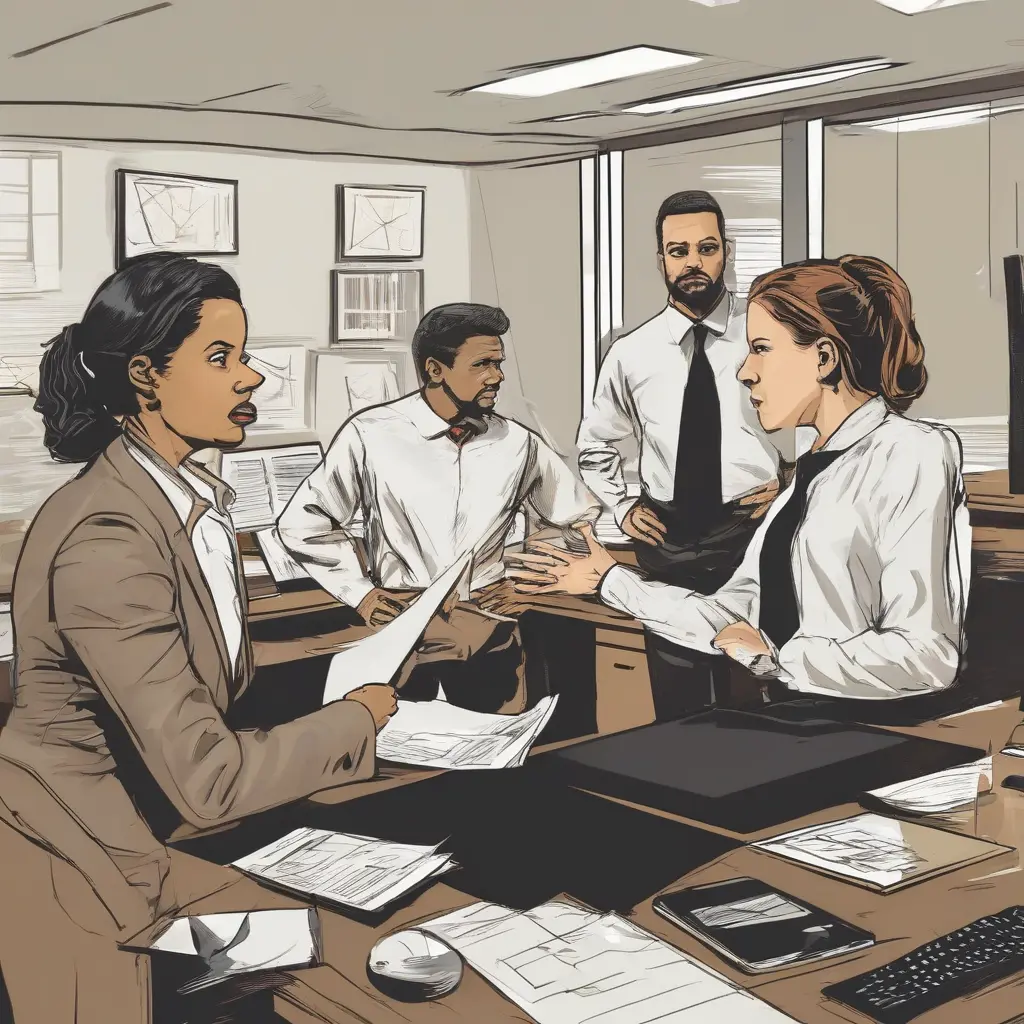
Workplace conflict is a natural occurrence that can arise from differing personalities, opinions, or work styles. However, unresolved conflicts can severely impact morale, productivity, and team cohesion. In this article, we will explore effective resolution techniques that not only address the immediate issues but also foster a more harmonious work environment. By employing strategies like active listening, clear communication, and collaboration, organizations can turn potential conflicts into opportunities for growth. Understanding these techniques will help teams improve their dynamics and achieve better outcomes.
Understanding the Causes of Workplace Conflict
Identifying the underlying causes of workplace conflict is essential for effective resolution. Common sources include miscommunication, differing values, and competition for resources. Misunderstandings can escalate tensions, while personality clashes may lead to frustration among team members. By recognizing these sources, individuals and teams can address issues proactively before they escalate into larger conflicts. Conducting team assessments and promoting open dialogue about concerns can facilitate understanding and help identify root causes, laying the foundation for effective resolution strategies.
The Importance of Active Listening
Active listening is a vital skill that plays a crucial role in resolving workplace conflicts. It means fully engaging with the speaker—understanding their message, acknowledging their feelings, and responding appropriately. This not only shows respect but also helps clarify misunderstandings. When employees feel heard, they are more likely to express themselves openly and work towards a resolution. Implementing active listening techniques, such as paraphrasing or asking clarifying questions, can significantly enhance communication and foster a more collaborative atmosphere in the workplace.
Effective Communication Strategies
Clear and effective communication is essential for managing conflicts in the workplace. Utilizing assertive communication techniques allows individuals to express their thoughts and feelings without aggression. For example, using ‘I’ statements—such as ‘I feel uncomfortable when deadlines change without notice’—reduces the likelihood of the other person becoming defensive. Additionally, choosing the right time and place for sensitive discussions can also contribute to a more productive dialogue. By establishing a culture of open communication, organizations can address conflicts more easily and encourage collaborative problem-solving.
The Role of Mediation in Conflict Resolution
Mediation can serve as an effective conflict resolution method when direct communication fails to resolve disputes. A trained mediator, acting as a neutral third party, can facilitate discussions between conflicting parties, setting ground rules for respectful dialogue. This structured approach encourages participants to express their viewpoints openly while promoting understanding. Mediation not only helps resolve specific conflicts but also equips employees with valuable skills for future interactions. By fostering a culture of mediation, organizations can develop more effective conflict resolution practices and enhance team dynamics.
Building Emotional Intelligence for Conflict Management
Emotional intelligence (EI) is a key component in managing workplace conflicts effectively. Individuals with high EI can recognize their emotions and those of others, allowing them to respond appropriately during challenging situations. This understanding fosters empathy and encourages individuals to consider different perspectives. Training programs focused on emotional intelligence can enhance these skills within teams, leading to more constructive conflict resolution. By cultivating an emotionally intelligent workforce, organizations can improve interactions and reduce the frequency of conflicts while promoting a supportive work environment.
Creating a Conflict Resolution Policy
Having a clear conflict resolution policy is essential for guiding employees in managing disputes effectively. This policy should outline the steps to take when conflicts arise, including reporting mechanisms and designated personnel for mediation. By establishing a formal process, organizations create an environment that encourages employees to address conflicts proactively and without fear of retaliation. A well-defined policy not only promotes fairness but also streamlines conflict resolution, ensuring that all parties involved are treated equitably. Establishing such guidelines fosters a healthy workplace culture focused on collaboration and understanding.
Emphasizing Teamwork to Prevent Conflicts
Encouraging teamwork is a proactive approach to minimizing workplace conflicts. When teams collaborate effectively, they develop stronger relationships and a better understanding of each other’s strengths and weaknesses. Team-building activities focused on communication and interaction can enhance trust and cohesion among team members. Furthermore, fostering an inclusive environment where diverse opinions are valued helps reduce misunderstandings. By emphasizing teamwork and collaboration, organizations can create a supportive culture that lessens the likelihood of conflicts arising and encourages positive relationships.
Training Employees in Conflict Resolution Skills
Investing in training programs that focus on conflict resolution skills can significantly enhance team dynamics. Workshops covering topics such as negotiation, active listening, and problem-solving equip employees with the tools they need to handle disagreements constructively. By empowering employees with these skills, organizations create a workforce capable of navigating conflicts productively. Training not only improves individual capabilities but also cultivates a culture that values collaboration and respectful dialogue. Providing regular opportunities for skill development can further strengthen workplace relationships and reduce tension.
Recognizing and Adapting to Cultural Differences
Cultural differences can significantly impact workplace conflicts, making it essential to recognize and adapt to these variations. Employees from diverse backgrounds may have different communication styles, conflict resolution approaches, and value systems. Organizations can benefit from cultural competency training, which equips team members to navigate these differences effectively. Encouraging open discussions about cultural backgrounds fosters understanding and respect among colleagues. By acknowledging and valuing diversity, organizations can create a more inclusive atmosphere, reducing potential conflicts and enhancing overall collaboration.
Encouraging Open Feedback and Dialogue
Creating a culture of open feedback and dialogue is vital for effective conflict resolution. Employees should feel encouraged to share their concerns without fear of backlash. Regular feedback sessions or team check-ins can provide opportunities for discussing grievances early, preventing them from escalating into significant conflicts. Encouraging a blame-free atmosphere allows employees to voice their opinions and contribute to solutions actively. By promoting transparency and open communication, organizations can foster a collaborative environment that minimizes misunderstandings and enhances team cohesion.
Conclusion
Navigating workplace conflict requires a multifaceted approach that emphasizes communication, understanding, and collaborative techniques. By recognizing the causes of conflict, practicing active listening, utilizing effective communication strategies, and fostering emotional intelligence, organizations can create a healthier work environment. Additionally, implementing structured conflict resolution policies and promoting teamwork can minimize future disputes. Cultivating a culture that values openness and respect contributes significantly to a more cohesive workplace, ultimately leading to increased productivity and employee satisfaction.