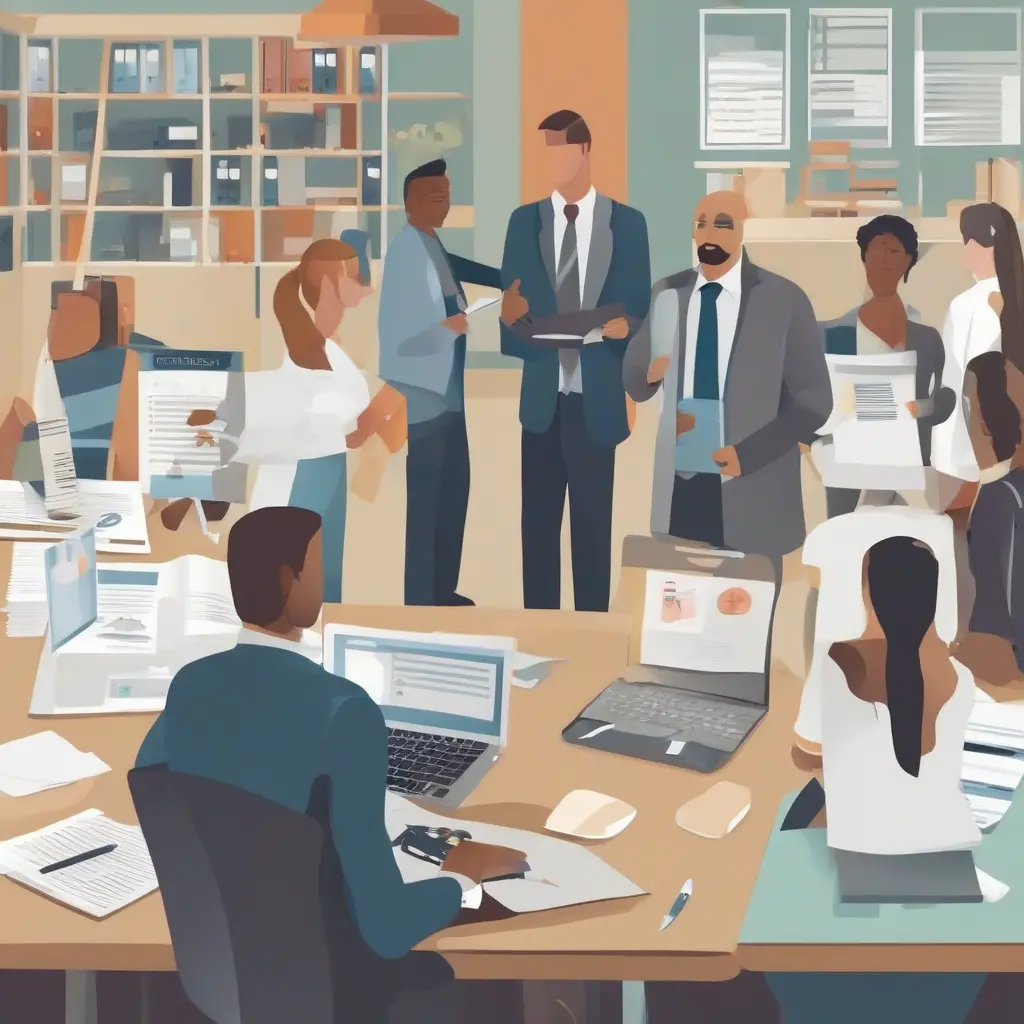
Attending job fairs can be an overwhelming experience for freshers, but with the right approach, they can lead to meaningful connections and exciting opportunities. These events provide an excellent platform for recent graduates to meet potential employers, learn about various companies, and showcase their skills. By properly preparing and knowing how to engage professionals at these fairs, freshers can maximize their chances of landing job interviews. This article will explore effective strategies to successfully navigate job fairs and establish valuable industry contacts.
Researching Companies Beforehand
One of the best ways to make a lasting impression at a job fair is to research the companies that will be attending. Knowing the industry players, their recent projects, and values enables freshers to engage in meaningful conversations. Thorough research also helps candidates tailor their resumes and questions, showcasing genuine interest during interactions. Freshers can utilize company websites, social media, and news articles to gather information. This preparation demonstrates initiative and preparedness, two qualities that potential employers highly value.
Crafting an Impressive Resume
An essential element for job fairs is a well-crafted resume that highlights relevant skills and experiences. Freshers should focus on tailoring their resumes to reflect what companies are looking for, emphasizing education, internships, and personal projects. It’s advisable to keep the resume concise and focused—preferably one page—while ensuring clarity and professionalism. Using bullet points can enhance readability and draw attention to key accomplishments. Freshers should also consider having an electronic version ready on their devices for easy sharing, alongside printed copies.
Practicing Your Elevator Pitch
An effective elevator pitch is crucial for making a strong first impression at job fairs. This brief introduction should encapsulate who you are, what you’ve accomplished, and what you’re looking for in about 30 to 60 seconds. Practicing this pitch beforehand allows freshers to speak confidently and clearly when meeting recruiters. Including specific details about educational background, relevant skills, and career aspirations will give employers a quick overview of your potential. Rehearsing can also help in mitigating nervousness during actual interactions.
Dressing Appropriately
What one wears to a job fair can significantly impact first impressions, making appropriate attire essential. Freshers should aim for professional clothing that reflects the industry standard. For most sectors, business casual attire suffices, comprising dress pants, blouses, or collared shirts. It’s advisable to avoid overly casual clothing such as jeans or t-shirts. Dressing appropriately not only projects professionalism but also boosts self-confidence, helping freshers feel more comfortable engaging with potential employers.
Bringing Essential Materials
Being prepared with the right materials is vital for a productive experience at job fairs. Freshers should carry multiple copies of their resumes, as opportunities may arise unexpectedly. Additionally, bringing a notepad and pen is helpful for jotting down important information or follow-up questions. Having business cards (if possible) can also facilitate easy networking with recruiters. Organizing these materials in a professional portfolio can create a polished and efficient image, allowing freshers to focus on networking rather than fumbling with paperwork.
Networking with Fellow Job Seekers
While networking with recruiters is important, engaging with fellow job seekers can also be beneficial. Freshers can share experiences, insights, and contacts, broadening their understanding of the job market. Forming connections with peers can lead to collaborative opportunities in the future. Additionally, sharing job leads and career advice enhances the overall job search journey. Building a supportive network can motivate and encourage freshers, keeping morale high amidst the challenges of job seeking.
Following Up After the Fair
Following up after the job fair is a critical step that can set a fresher apart from other candidates. Freshers should aim to email recruiters they spoke with within a week, thanking them for their time and reiterating interest in the company. Including any specific topics discussed during the conversation can make this follow-up more personalized and memorable. This gesture displays professionalism and enthusiasm, reinforcing the impression made during the event. Timely follow-ups can often lead to interviews or further networking opportunities.
Leveraging Social Media
Social media platforms, specifically LinkedIn, can be powerful tools for freshers seeking to build industry connections. After the job fair, freshers should connect with recruiters and professionals they met, adding a personal note to remind them of their conversation. Additionally, engaging with relevant content, joining professional groups, and participating in discussions can enhance one’s visibility to potential employers. By being active on social media, freshers can keep abreast of new job openings and career advancements within their chosen fields.
Conclusion
Navigating job fairs successfully involves preparation, professionalism, and follow-up. By researching companies, crafting tailored resumes, and practicing elevator pitches, freshers can create meaningful connections that may lead to employment opportunities. Engaging with fellow job seekers and utilizing social media further enhances networking efforts. With a proactive approach, freshers can maximize their presence at job fairs and set the stage for a successful career.