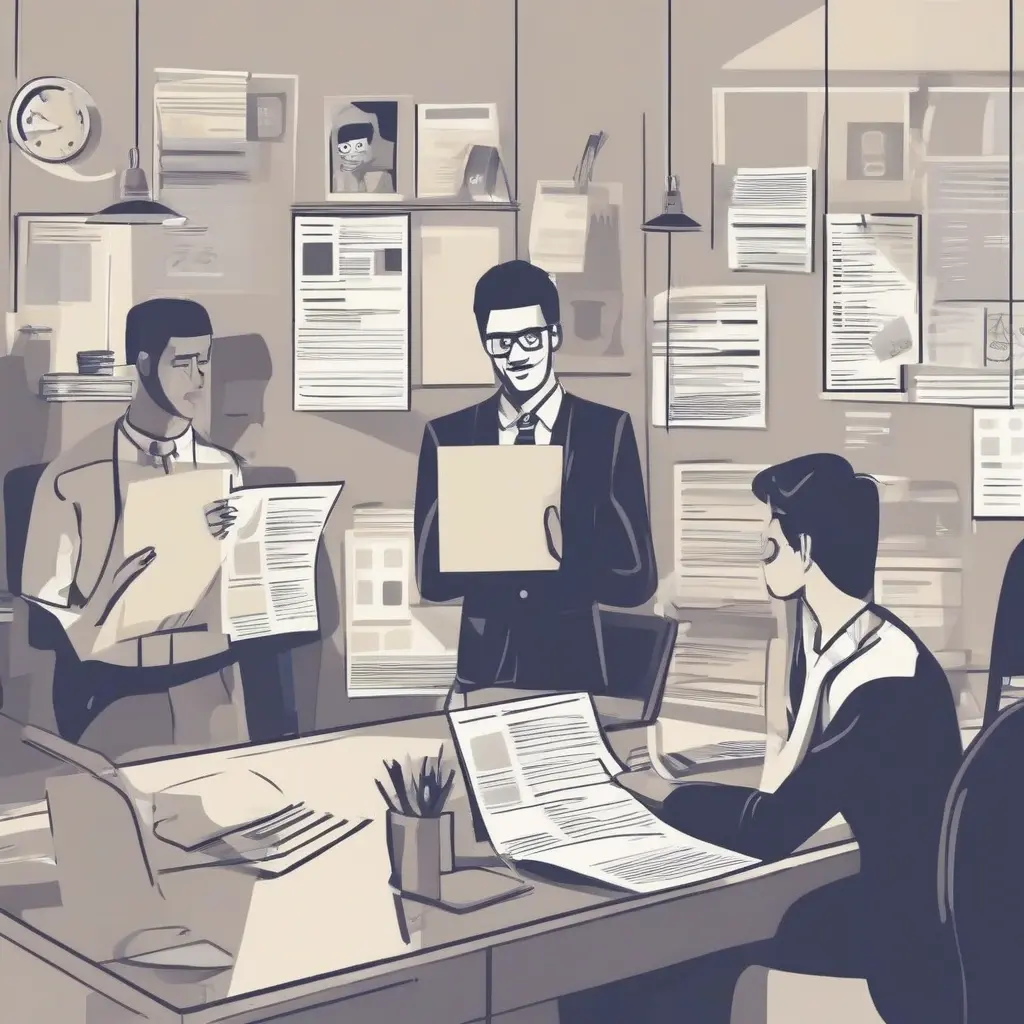
Managing stress in the workplace is essential for maintaining productivity and overall well-being. As professionals face ever-increasing demands and tight deadlines, effective stress management techniques become crucial. This article outlines actionable strategies that can help individuals and teams cope with stress, improve focus, and foster a healthy work environment. By implementing these methods, professionals can enhance both their personal productivity and contribute positively to their workplace culture.
Understanding Workplace Stress
Workplace stress can arise from numerous sources, including tight deadlines, excessive workloads, and interpersonal conflicts. Understanding what triggers stress is the first step towards managing it effectively. By identifying specific stressors, professionals can develop personalized coping mechanisms. Acknowledging that stress is a common experience also helps reduce feelings of isolation. This understanding allows individuals to approach stress management with a proactive mindset, ultimately fostering a healthier workplace.
Recognizing the Symptoms of Stress
Recognizing the symptoms of workplace stress is vital for effective management. Symptoms can range from physical signs, such as headaches and fatigue, to emotional signs, such as irritability and anxiety. Understanding these indicators allows professionals to take timely action before stress escalates into burnout or more serious health issues. Self-awareness is a key component in this regard, encouraging individuals to monitor their mental health continually and respond promptly to signs of distress.
Implementing Time Management Strategies
Effective time management is a critical skill that can significantly reduce workplace stress. Professionals can benefit from techniques such as prioritizing tasks, setting realistic deadlines, and using tools like calendars and to-do lists. By breaking tasks into manageable chunks, individuals can maintain focus and achieve a sense of accomplishment. This structured approach not only alleviates pressure but also enhances productivity, allowing professionals to navigate their workload more efficiently.
Practicing Mindfulness and Meditation
Mindfulness and meditation are powerful techniques for managing stress and improving mental clarity. Dedication to even a few minutes of mindfulness can help professionals center themselves and alleviate anxiety. Practices such as focused breathing and guided meditation promote relaxation and enhance emotional resilience. Incorporating these techniques into the daily routine can create mental space, allowing individuals to handle stressors more effectively and maintain a positive mindset.
Building a Support Network
Creating a strong support network is crucial for managing stress at work. Whether it’s colleagues, mentors, or friends, having individuals to share challenges and solutions with can provide a comforting perspective. Regular communication within this network fosters a sense of community and belonging. Additionally, discussing stress openly can lessen its impact and enhance collective problem-solving strategies, making the workplace environment more resilient.
Maintaining a Healthy Work-Life Balance
Achieving a healthy work-life balance is essential for stress management. Professionals should set clear boundaries between work and personal time to ensure they can recharge. Engaging in hobbies, spending time with family, and taking breaks contribute to better mental health. Actively removing oneself from work-related responsibilities helps reset the mind, making it easier to approach tasks with renewed energy and focus. Balancing these aspects can significantly reduce feelings of overwhelm.
Utilizing Relaxation Techniques
Relaxation techniques, such as deep breathing exercises and progressive muscle relaxation, can significantly aid in managing stress. These methods help calm the body and mind, especially during high-pressure situations. Practicing these techniques regularly enhances overall emotional resilience. By incorporating moments of relaxation into the workday, professionals can lower their physiological stress levels and improve their response to daily challenges, leading to a more composed approach at work.
Setting Realistic Goals and Expectations
Setting realistic goals and expectations is crucial in managing workplace stress effectively. Overambitious goals can lead to feelings of inadequacy and frustration. Instead, professionals should establish achievable targets that account for both personal capacities and team resources. This strategy fosters a sense of accomplishment and control, reducing anxiety and enhancing motivation. By aligning expectations with reality, individuals can navigate their tasks with greater confidence.
Seeking Professional Help When Necessary
When stress becomes overwhelming, seeking professional help is advisable. Mental health professionals can offer tailored strategies and support for managing stress effectively. Employees should feel empowered to consult with counselors or therapists when necessary. Many organizations provide Employee Assistance Programs (EAPs) that offer confidential support services. Utilizing these resources can be a significant step towards maintaining mental wellness in a demanding work environment.
Conclusion
Managing stress at work requires a multifaceted approach, encompassing various techniques tailored to individual needs. By understanding stressors, utilizing time management strategies, and practicing relaxation techniques, professionals can significantly improve their mental well-being. Building a strong support network and maintaining a work-life balance are also crucial. Ultimately, prioritizing mental health leads to a productive and positive workplace environment conducive to professional growth.